

The move to more sustainable, recyclable, plastic packaging alternatives often requires adopting new ‘codes’ of conduct and can present unforeseen challenges for manufacturers. One of them is making sure that products can be effectively coded with product information, and traceability data; to meet today’s requirements for enhanced traceability, and customer interaction 2d codes in compliance with GS1 are increasingly requested. At Domino we are committed to developing coding solutions that support the move to more sustainable packaging materials: our Ux-Series UV Laser technology is specifically targeted at applications using recyclable plastic materials.
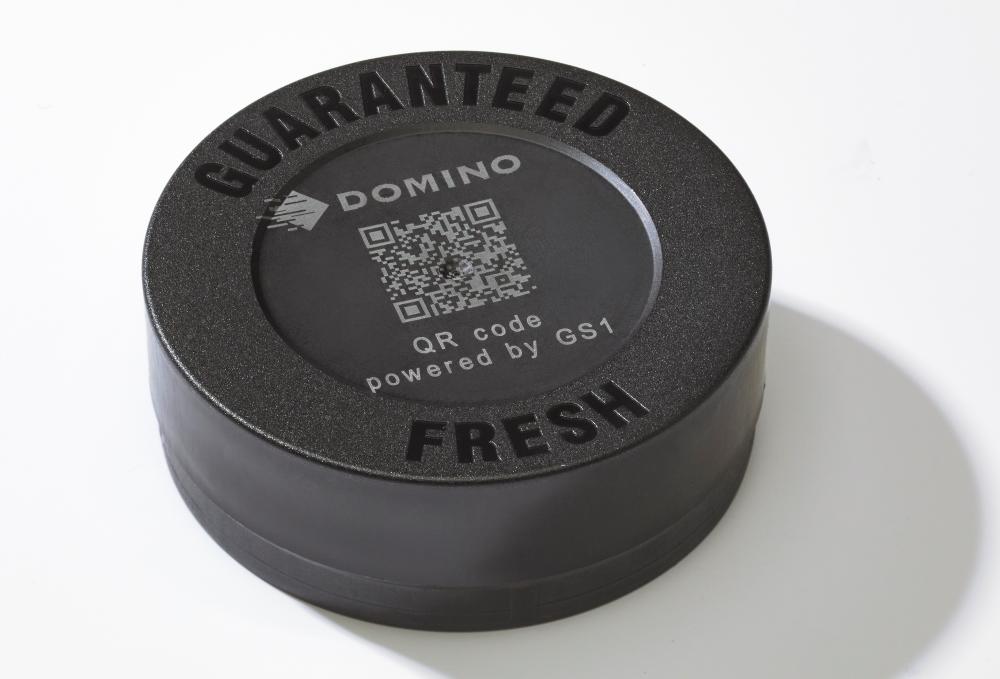
Recyclable plastics for a circular economy
Plastic packaging is everywhere – in fact, over 60% of all flexible packaging used in the EU is plastic, and this in unlikely to change any time soon. Despite its bad reputation for creating pollution, plastic does have some undeniable benefits:
It’s lightweight, minimising carbon emissions from transport; it provides product protection, preservation, and quality assurance; it is also 60% more energy efficient to manufacture than materials such as paper and card; plus recycling plastic uses just 10% of the energy necessary to recycle paper.
But, with OECD estimates suggesting that only 9% of plastic waste is being recycled globally, there is clearly much room for improvement. It’s all the more reason for the industry to redouble efforts and invest in flexible plastics that are suitable for recycling.
How does that impact coding and marking?
We’ll have to look at what makes plastic suitable for recycling: First, products made from just one type of material are ideal for recycling. When a package is made from a single plastic, it can often be recycled into new products with quality comparable to virgin material. Packages made from multiple layers of different plastics are difficult to separate and therefore challenging to recycle.
Second, anything added to the packaging – such as colour, glue, or labels – should be easy to remove or designed to be recycled together with the plastic, so that it doesn’t compromise the quality of the recycled material or stop it from being recycled at all.
These two factors influence how codes can be applied: any alterations in packaging material composition can influence the adhesion of inks and the reaction to laser light. So moving to a mono material film, tray or cup, and using a different method to decorate packaging such as adding a paper wrapper or changing colouring methods, has a direct effect on the choice of printing technology used for applying traceability data.
This is the very reason why we have added UV laser coding to our portfolio.
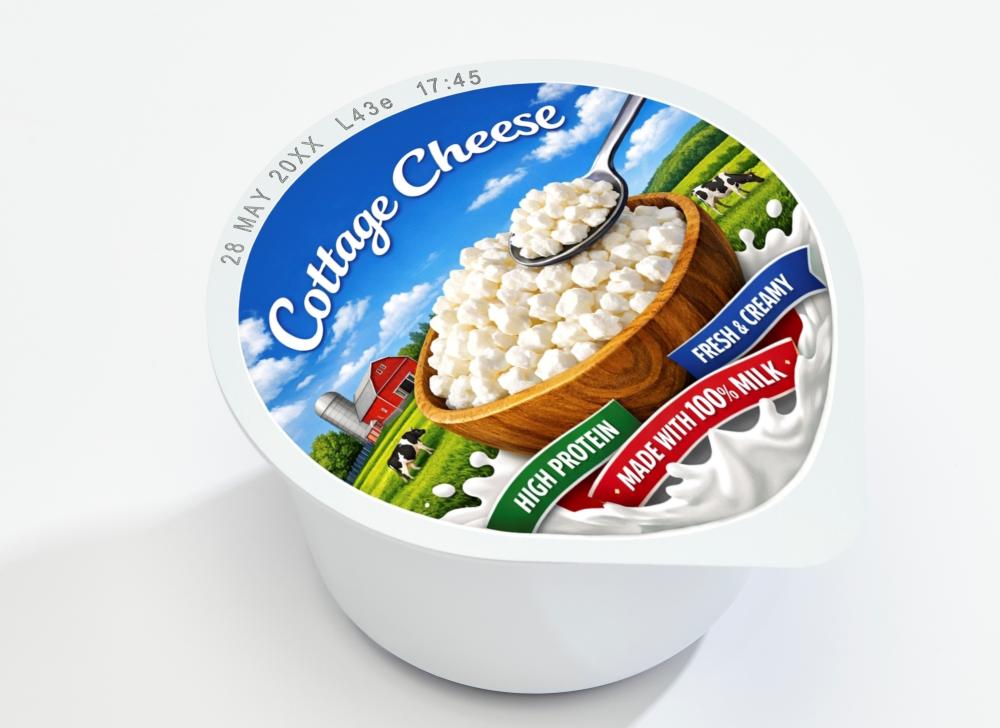
UV laser codes the change
"We have added the Ux-Series to Domino’s laser portfolio to be able to offer our customers the ideal solution to their needs and support changing to new packaging developments. Testing each application first enables us to provide the best solution for the individual requirement from our range of CO2, fibre and UV lasers."
Felix Rief, Head of Laser and Extraction, Domino
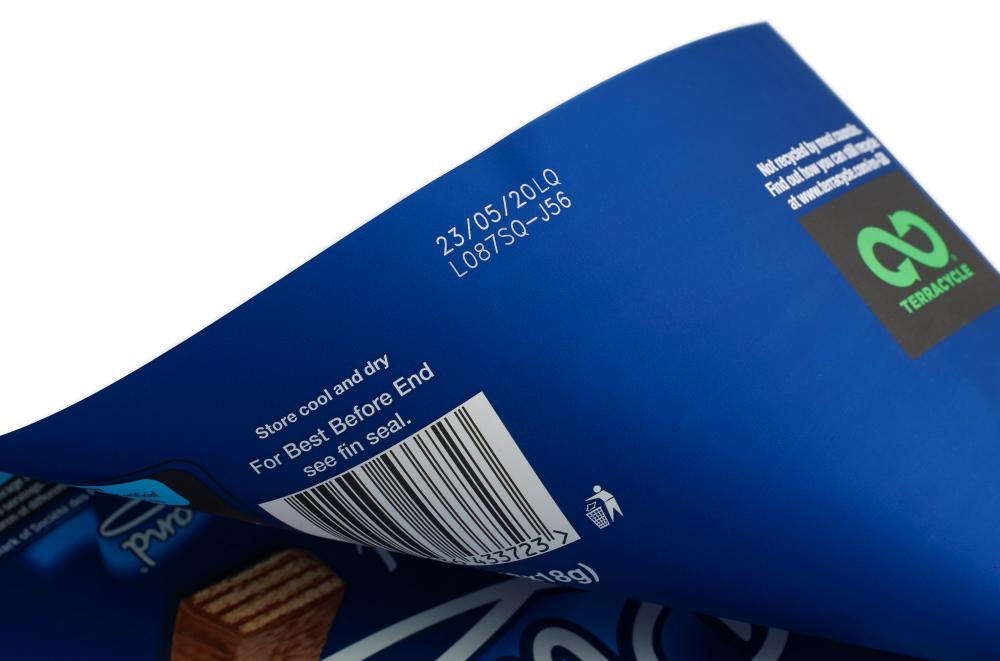
Domino’s Ux-Series UV Laser coders are an ideal choice for recyclable, mono-layer, flexible plastics. They are capable of creating indelible codes without adding additional inks or chemicals to the packaging material.
Utilising UV light the Ux-Series produces brilliantly sharp and contrasting labels via a photochemical reaction on the very top layer of the substrate, with nearly zero stress on the material compared to other technologies, thus keeping barrier properties of films intact – this is specifically important when increasingly thinner films are used to save raw materials.
White and light-coloured plastic packaging containing titanium dioxide (TiO2), the most commonly used pigment for creating opacity, can be coded directly with the Ux-Series laser, without need for additional laser-activated fields.
If you need more information on sustainable and recyclable packaging alternatives, read Design for Sustainability.